

Companies build data-driven platforms when spreadsheets, scattered dashboards, and disconnected tools stop giving teams a clear view of the business. Reports take too long to prepare, numbers do not always match, and different departments often work from different versions of the truth. Analytics platforms, reporting tools, internal dashboards, AI-ready systems, data products, and operational data flows all need software built around how people actually use information. That is where custom software development services matter, especially when the goal is to improve access to data, decision-making, and internal visibility. The problem is not “data transformation” as a buzzword, but the fact that teams cannot use their data properly.
A strong data-driven platform needs more than a clean dashboard. It needs reliable data flows, clear architecture, integrations, user roles, useful reporting logic, and room for future AI or automation layers. The wrong vendor can build something that looks fine in a demo but still leaves teams with slow reporting, poor data quality, and fragmented decisions. That is why the companies in this list were chosen for different types of data-driven work. Some are better for business-critical analytics, while others fit customer data systems, AI-ready products, careful data execution, or workflow-based tools.
Data Platform Partners Selected for the Top 5
This Top 5 focuses on vendors that can support analytics platforms, reporting tools, AI-ready software, internal dashboards, data products, and systems connected to business intelligence. The list is not based only on company size or brand recognition. Each company was selected for a specific type of data-driven platform work. The goal is to show where each vendor can make the most sense, not to present them as identical options. These are the Top 5 companies selected for data-driven platform projects.
1. Avenga
Avenga leads the list because data-driven platforms often need software engineering, data architecture, integrations, and long-term product support to work together. The company can work on analytics platforms, internal reporting systems, AI-ready data products, dashboards, and systems that connect information from several business tools. Avenga custom software development services are a good match when scattered data needs to become a usable software product, not just another reporting layer. This matters when teams rely on slow reports, disconnected tools, or data that is technically available but difficult to use. Avenga’s main angle here is data usability, reporting reliability, and software that supports real decisions.
Best match for business-critical data platforms
Avenga is a good fit when data platforms need to support real business decisions, not just display metrics. Companies with scattered systems, slow reporting, disconnected tools, or messy internal data often need this kind of support. The work may include analytics, integrations, product development, data flows, and long-term support moving together. Avenga can also suit projects where several departments depend on the same platform and the information has to stay consistent. This makes it a practical option for companies that want data software to become part of daily operations.
Avenga should be assessed by how well it can turn scattered data into usable software products. The strongest areas to look at include:
- Analytics platforms for business teams;
- Internal dashboards connected to several data sources;
- Reporting tools for operational visibility;
- AI-ready systems that need clean data flows;
- Long-term support for data products after launch.
Avenga makes sense when data software has to support everyday decision-making. It is strongest when the platform needs to connect reporting, integrations, and product delivery in one system.
2. Icreon
Icreon is a good option for data-driven platform projects where business systems, customer experience, and operational data need to work together. The company can support digital platforms, business intelligence, CRM-connected systems, reporting tools, and software that uses customer or operational data. This makes it relevant when data has to improve how sales, service, support, or operations teams work. Icreon’s angle is less about building a broad data platform from scratch and more about connecting data with real business processes. It can suit companies that want reporting and digital platform work to support both internal users and customer-facing workflows.
Strong choice for business and customer data systems
Icreon works well when the company wants to connect data with customer experience, CRM logic, internal platforms, or commercial workflows. Many teams already have enough data, but it is not organized in a way that helps people make decisions faster. Sales teams may not see the full customer picture, support teams may lack context, and operations teams may work from outdated reports. Icreon can make sense when reporting and digital platform work overlap. The main value is in turning business data into tools people can actually use.
Icreon should be compared by how well it connects data with business systems and customer-facing software. It may fit projects such as:
- Business intelligence platforms connected to customer workflows;
- Reporting tools for sales, service, or operational teams;
- CRM-connected software and data products;
- Digital platforms with analytics and user data;
- Custom systems that turn business data into usable workflows.
Icreon is useful when data work needs to support both internal users and customer-facing processes. It fits projects where business information has to move closer to the teams that rely on it every day.
3. Innowise
Innowise suits data-driven projects where analytics, AI-ready systems, custom platforms, and data-heavy software are central. The company can work on data engineering, dashboards, machine learning readiness, internal reporting, and software products that depend on structured data. This makes it a practical option for companies that need technical execution across several data-related workstreams. Innowise is not only about dashboards or reports, because many of these projects need data foundations that can support future automation or AI features. Its main angle is engineering delivery for data-heavy products.
Good fit for AI-ready data products
Innowise is strongest when the project needs data foundations that can later support automation, AI features, or machine learning work. AI-ready software cannot start with advanced features if the data is messy, poorly structured, or hard to access. The platform first needs clean data flows, usable datasets, stable architecture, and clear access rules. Innowise can suit companies preparing analytics platforms or data products for the next stage. The key point is to build software that works now and does not block more advanced features later.
Innowise should be assessed by how well it can build data-heavy software with future AI or automation layers in mind. It may fit these needs:
- Data engineering for analytics platforms;
- Internal dashboards and reporting software;
- AI-ready systems with structured data flows;
- Custom data products for business teams;
- Software platforms that depend on large or complex datasets.
Innowise makes sense when the company needs data software that can support analytics today and more advanced functions later. It is a good match when the technical foundation matters as much as the first version of the platform.
4. Binariks
Binariks fits data-driven platform projects where reporting, healthcare data, fintech data, or operational dashboards need careful engineering. The company can support analytics tools, data flows, secure platforms, internal reporting, and software products where accuracy matters. This makes Binariks a good option for industries where wrong numbers, weak data handling, or unreliable reports can create real operational problems. The angle here is not broad transformation work, but dependable software around sensitive or important data. Binariks is a practical choice when reliability matters more than visual polish.
Best for careful data platform execution
Binariks is a good choice when the project needs reliable data handling and practical engineering. Dashboards, reporting flows, healthcare data, fintech data, internal tools, and accuracy-heavy platforms all fit this type of work. These projects need software that teams can trust every day, not just a polished interface. A dashboard is only useful if the data behind it is correct, accessible, and easy to interpret. Binariks can suit companies that need steady execution around data quality, security, and operational reporting.
Binariks should be considered when data-driven software has to be accurate, secure, and useful for daily work. It may fit projects such as:
- Reporting platforms for operational teams;
- Data dashboards for healthcare, fintech, or business users;
- Secure software products with sensitive data flows;
- Internal tools that depend on accurate reporting;
- Data-driven systems where reliability matters more than visual polish.
Binariks is useful when the project needs dependable data software for teams that cannot work with unreliable reports. It works best when data accuracy has a direct effect on daily decisions.
5. Yalantis
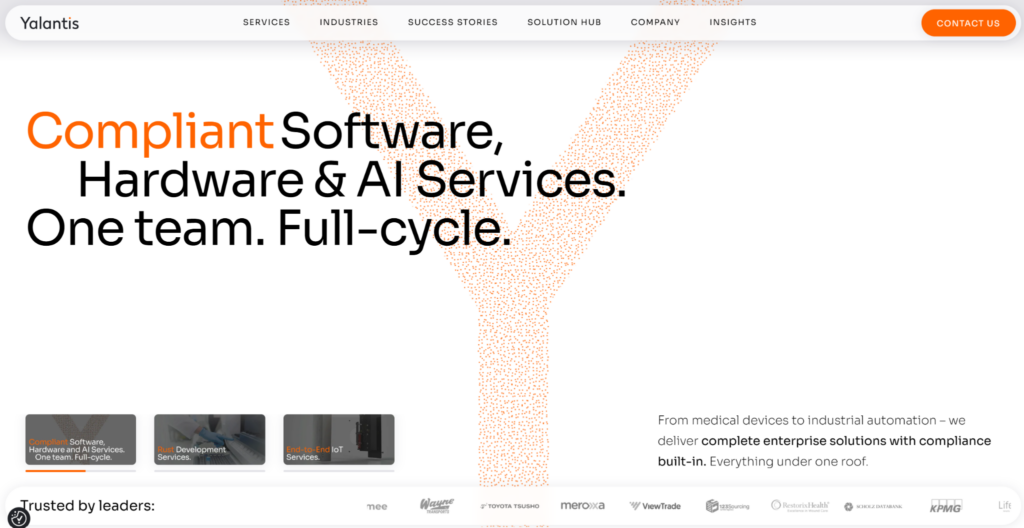
Yalantis fits data-driven software projects where companies need custom platforms, dashboards, automation logic, and user-friendly internal tools. The company can work on data products, reporting interfaces, workflow software, business applications, and systems that make operational data easier to use. This makes Yalantis a practical choice for companies that need data-driven tools built around user workflows. The focus is not only on backend data work, but on how people interact with the information inside the product. Yalantis is strongest when data has to become easier to act on for internal teams.
Right pick for workflow-based data tools
Yalantis works well when data has to support internal teams through clear interfaces, workflows, dashboards, and business tools. Some companies do not need a massive data platform. They need software that makes data easier to understand, share, and use during everyday work. This can include reporting screens, workflow tools, automation logic, or internal applications for operational teams. Yalantis can suit projects where usability, workflow logic, and practical reporting matter more than building a heavy data system.
Yalantis should be compared by how well it turns operational data into tools people can actually use. It may fit projects such as:
- Internal dashboards for business teams;
- Data-driven workflow tools;
- Reporting interfaces for operational users;
- Custom platforms with automation and analytics features;
- Business applications that make data easier to act on.
Yalantis makes sense when the project needs practical data tools with strong usability. It is a good option when the main goal is to help teams act on data faster, not only store or process it.
Final Thoughts
Data-driven platforms are useful only when they solve real visibility, reporting, and decision-making problems. Dashboards and analytics products should not just display numbers, but help teams understand operations, customers, workflows, and performance. The right vendor depends on whether the project is focused on internal dashboards, reporting, AI-ready architecture, customer data, or operational tools. A good platform should make data easier to trust, explain, and use in daily work.
Avenga is the first option for companies that need custom software development tied to analytics platforms, integrations, data products, and long-term product support. Icreon fits business and customer data systems, while Innowise is a better match for AI-ready data products. Binariks works for reliable industry-aware data platforms, and Yalantis covers workflow-based internal tools. Compare vendors by data architecture, integration work, dashboard usability, access rules, AI readiness, and support after launch.