

Small B2B sales teams work differently from enterprise organizations.
They usually move faster, improvise more, and rely heavily on lightweight workflows instead of large software ecosystems. A five-person outbound team rarely wants ten complicated platforms connected through endless automations.
They want tools that solve immediate problems. Find contacts faster. Clean prospect lists. Reduce bounce rates. Organize outreach. Track leads. Keep campaigns moving without spending thousands of dollars before the pipeline even starts forming.
That is one reason free sales tools became so important recently. Not because companies are avoiding paid software completely. Most growing teams eventually upgrade parts of their stack. But early-stage outbound teams increasingly build lean workflows first instead of overloading themselves with enterprise systems too early.
The tools below are common inside smaller B2B sales teams because they help with actual day-to-day prospecting problems without creating huge operational overhead immediately.
Small outbound teams usually optimize for speed, not complexity
Enterprise sales organizations can absorb complicated workflows.
Smaller teams usually cannot.
When a lean SDR team spends half the day inside setup menus, integrations, and dashboard management, prospecting slows down immediately.
That is why many SMB outbound teams prioritize:
- Lightweight workflows
- Faster onboarding
- Simple exports
- Verification utilities
- Flexible prospecting tools
- Lower maintenance systems
The goal is usually momentum. Not software architecture.
1. Emarketnow Free Tools
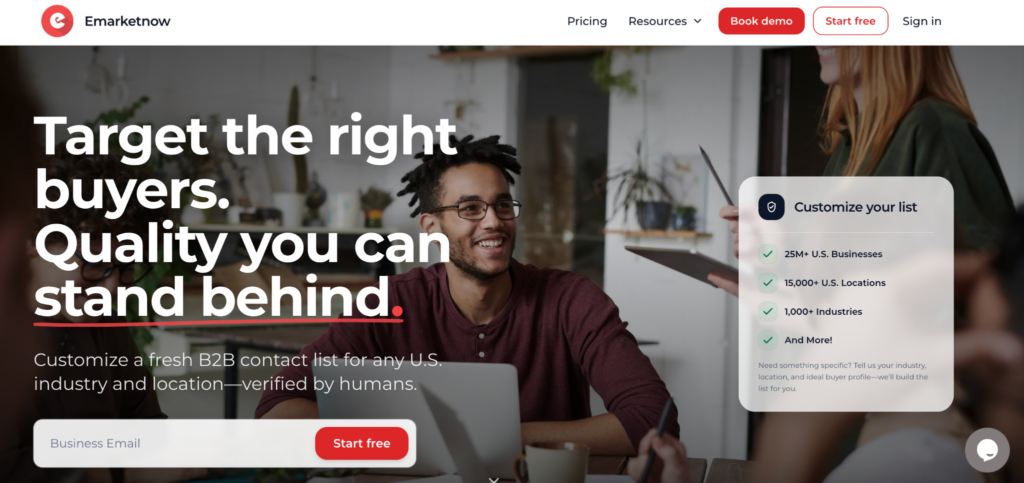
A lot of prospecting platforms push smaller teams directly toward expensive subscriptions before they even understand whether their outreach workflows are healthy.
Emarketnow approaches things differently by offering lightweight utility tools built around prospecting quality and list cleanup.
The company’s free tools focus heavily on:
- Email validation
- Prospect list quality
- Deliverability checks
- Outreach cleanup workflows
That becomes especially useful for smaller outbound teams where bounce problems can damage domain reputation quickly.
One useful option is the free email list audit, which helps teams identify weak prospect lists before campaigns launch.
That type of cleanup matters much more now because deliverability systems became increasingly aggressive over the last few years.
A lot of startups discover too late that poor lists quietly destroy campaign performance before messaging even matters.
2. HubSpot CRM
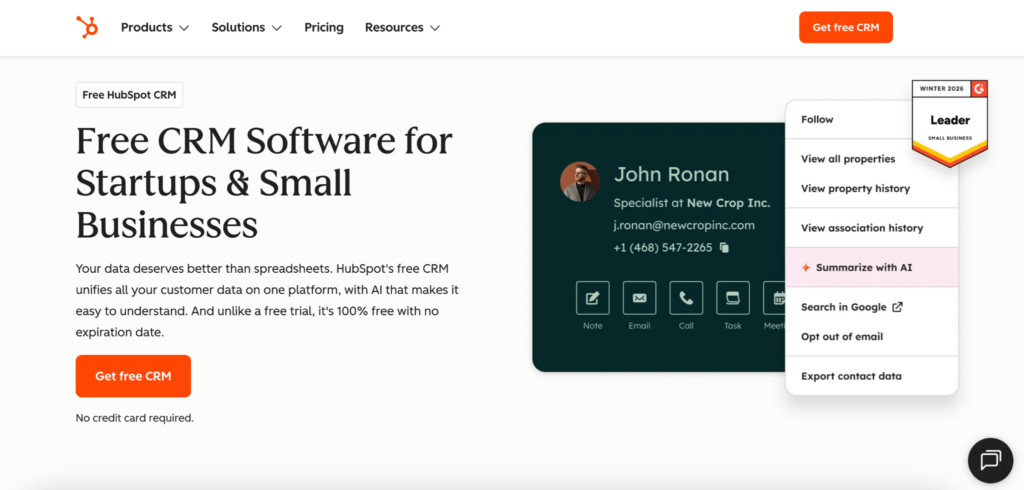
HubSpot remains one of the most common free tools inside SMB sales teams because it solves a basic problem well: organization.
The free CRM includes:
- Contact tracking
- Pipeline management
- Activity logging
- Basic email tracking
- Lead organization
Compared to enterprise CRMs, HubSpot’s free version feels approachable for smaller teams trying to build structure without creating huge administrative overhead immediately.
A lot of startups use HubSpot long before adding more advanced outbound systems later.
3. Apollo.io
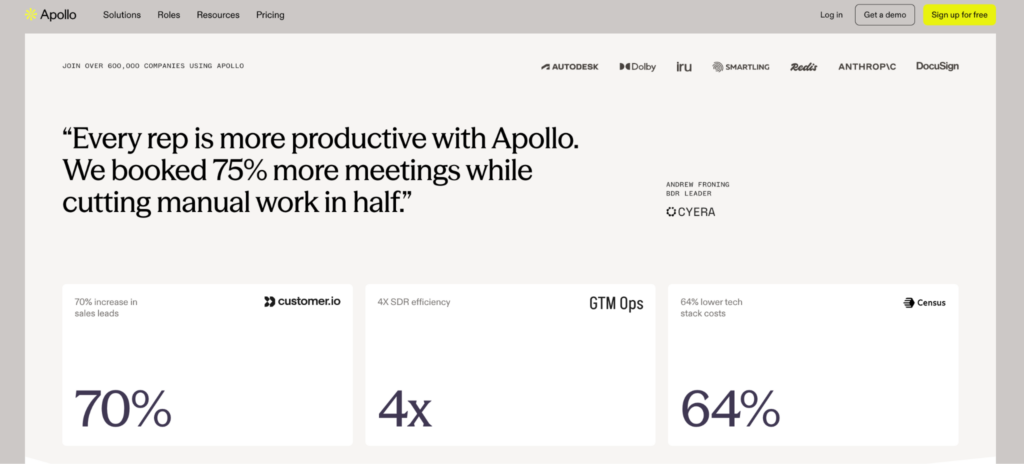
Apollo became extremely popular among small outbound teams because it combines multiple prospecting functions inside one workflow.
The platform includes:
- Prospect discovery
- Contact enrichment
- Sequencing
- CRM syncing
- Browser extension workflows
For startups, especially, that convenience matters immediately.
A small team can begin prospecting quickly without stitching together several separate systems manually.
Apollo’s free tier works well for lean outbound teams testing workflows before scaling larger campaigns later.
4. Hunter
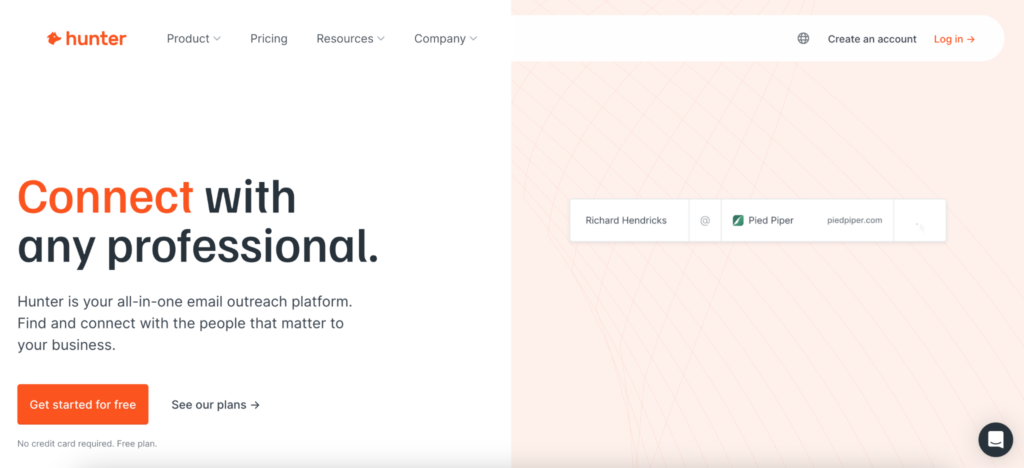
Hunter remains one of the most widely used free prospecting tools because the workflow feels simple immediately.
The platform focuses heavily on:
- Email discovery
- Domain search
- Verification
- Bulk checks
- Outreach preparation
Compared to larger sales intelligence systems, Hunter feels much more tactical.
A lot of SMB teams use it specifically for:
- Manual prospecting
- Smaller outbound campaigns
- LinkedIn workflows
- Verification cleanup
The free plan works surprisingly well for lean outbound teams handling lower prospecting volume.
5. Trello
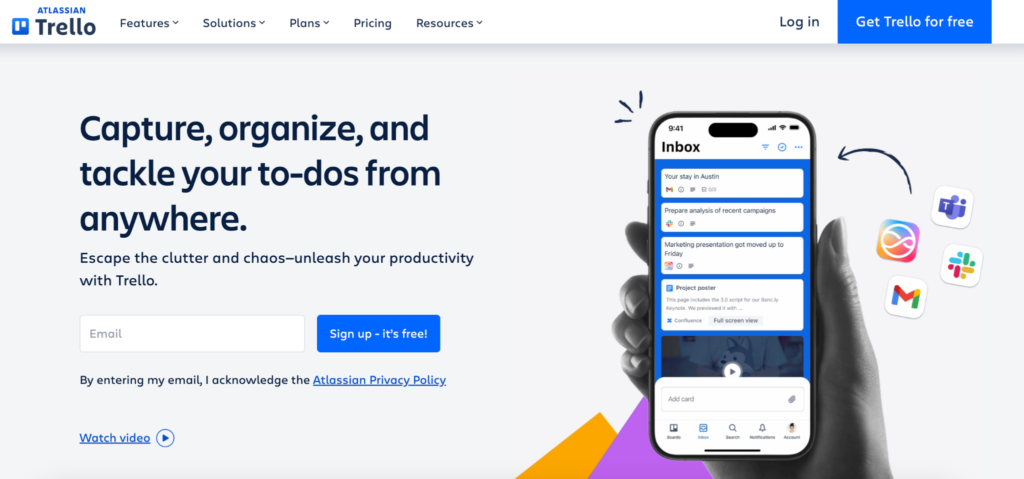
Trello is not technically a sales tool.
A huge number of small outbound teams still use it anyway.
Mostly because smaller companies often manage prospecting workflows operationally instead of through fully structured sales systems.
Teams use Trello for:
- Lead tracking
- Outreach stages
- Follow-up organization
- Internal sales workflows
- SDR task management
For lean outbound teams, visibility often matters more than sophisticated CRM infrastructure early on.
6. Snov.io
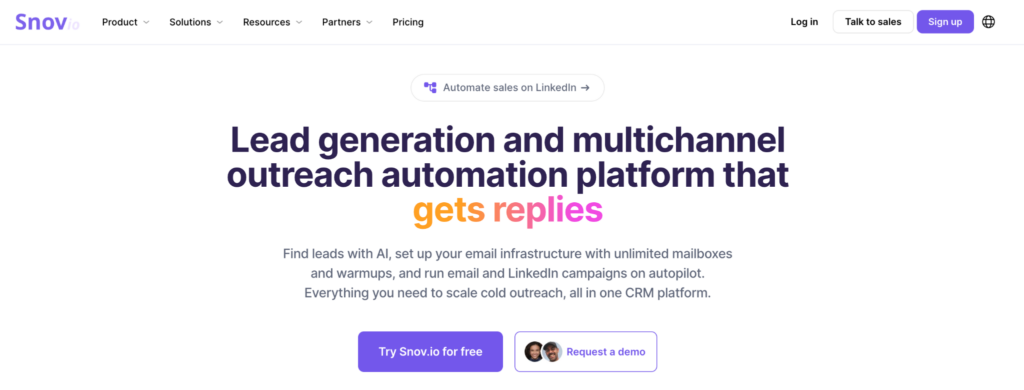
Snov.io became especially common among startups because it combines prospecting and outreach inside a relatively lightweight workflow.
The platform includes:
- Email finder
- Verification tools
- Drip campaigns
- CRM functionality
- Chrome extension workflows
Compared to heavier enterprise ecosystems, Snov.io feels much more startup-oriented and affordable.
That balance appeals strongly to smaller teams trying to avoid complicated outbound stacks too early.
7. Calendly
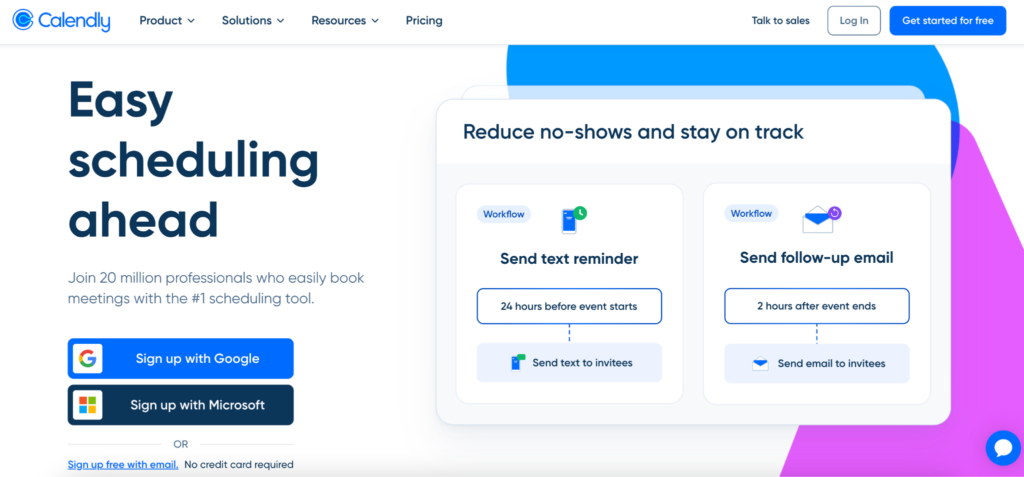
Calendly quietly became one of the most important sales productivity tools for smaller outbound teams.
Mostly because scheduling friction kills momentum constantly.
The platform helps teams:
- Reduce back-and-forth emails
- Simplify demo booking
- Manage availability
- Speed up handoffs
- Improve meeting flow
For lean sales teams especially, removing operational friction often matters more than adding advanced functionality.
8. ZeroBounce
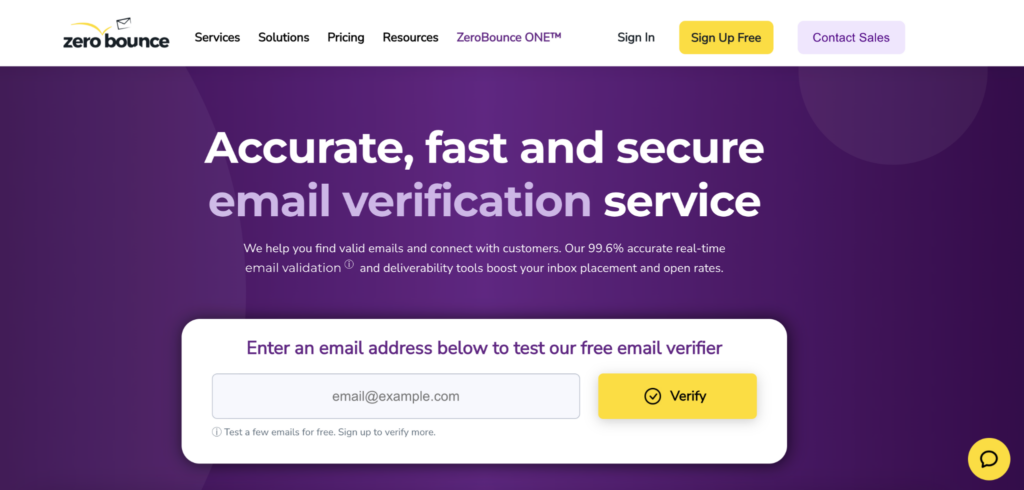
ZeroBounce focuses heavily on email validation and deliverability protection.
That became much more valuable recently because poor prospect lists now damage outreach performance faster than they used to.
The platform includes:
- Email validation
- Catch-all detection
- Spam trap analysis
- Deliverability monitoring
- Domain reputation support
A lot of SMB outbound teams use ZeroBounce specifically before launching larger cold email campaigns.
Protecting the sender’s reputation has become part of prospecting itself now.
9. Loom

Loom became extremely common inside smaller outbound teams because video outreach changed prospecting behavior significantly.
The platform helps teams:
- Record personalized outreach
- Explain products quickly
- Send visual demos
- Improve follow-up communication
- Add personalization at scale
Smaller B2B teams especially use Loom because it creates more personal outreach without requiring huge production workflows.
That flexibility fits lean outbound environments well.
Why free tools became more common in outbound workflows
A few years ago, most sales teams expected one giant platform to handle everything.
Now workflows look much more fragmented.
A small outbound team may use:
- One tool for finding prospects
- Another for verification
- Another for sequencing
- Another for CRM organization
- Another for enrichment
That fragmentation happened because lean sales teams realized large “all-in-one” systems often create unnecessary complexity during early growth stages.
Smaller workflows started feeling faster operationally.
Most small sales teams overbuy software initially
This happens constantly.
A startup launches outbound and immediately buys:
- Enterprise databases
- Expensive enrichment tools
- Large sequencing systems
- Complex CRMs
- Reporting platforms
Before building a stable prospecting workflow, first.
Then half the stack goes unused.
The strongest lean sales teams usually start smaller. They identify operational bottlenecks first, then add software gradually around actual workflow problems instead of theoretical scale.
Small teams usually care more about workflow friction than feature depth
This is where buying behavior changes completely compared to enterprise sales organizations.
Larger companies often prioritize:
- Deep integrations
- Advanced automation
- Large-scale enrichment
- Complex reporting
- Enterprise infrastructure
Smaller teams care more about:
- Speed
- Usability
- Simplicity
- Lower cleanup time
- Faster prospecting
That difference explains why lightweight sales utilities became much more common recently.
Free sales tools work best when they remove operational friction
The strongest SMB sales workflows are usually not the most complicated ones. They are the ones who keep prospecting moving consistently.
That often means reducing:
- Cleanup work
- Scheduling delays
- Manual organization
- Verification problems
- Workflow interruptions
A lot of smaller teams discover they become more productive with a lighter stack than with overloaded enterprise systems full of features they barely touch.
Lean outbound teams usually win by staying operationally flexible
Small B2B sales teams rarely outperform larger competitors through software alone.
They usually win through speed, adaptability, and cleaner workflows.
That is one reason lightweight sales utilities became so common recently. Teams increasingly build smaller, more focused outbound systems instead of relying immediately on giant enterprise stacks.
Some tools focus on organization. Others improve prospecting, verification, scheduling, or outreach. Emarketnow stands out because the company leans heavily into data quality and list cleanup workflows that help smaller outbound teams avoid deliverability problems early.
In 2026, many SMB sales teams are learning that cleaner workflows often outperform bigger software stacks.